
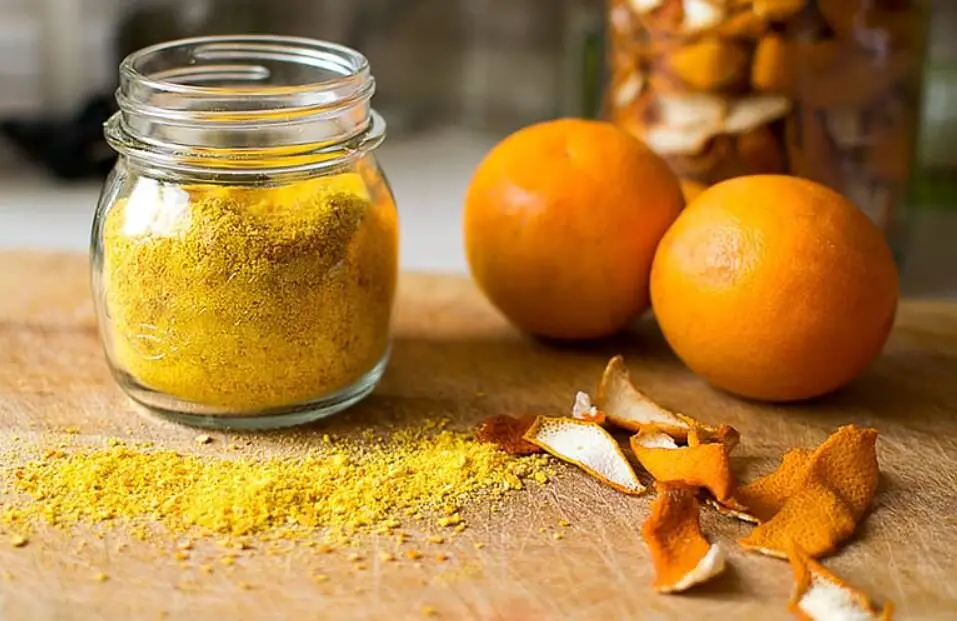
Free fertilizer for seedlings, which many people throw in the trash and lose a good harvest
Unlocking the potential of citrus peels as a free and effective fertilizer can revolutionize seedling growth, yet it’s a resource often discarded. As winter sets in, it’s not just the season for gathering eggshells and onion skins; it’s also the prime time for harnessing the power of citrus peels to nourish seedlings.
Why Citrus Peels?
The overlooked value of citrus peels lies in their nutrient-rich composition, containing phosphorus, potassium, nitrogen, and more. When introduced to the soil, these peels become a feast for soil microorganisms, triggering a cascade of nutrient release that benefits plant growth.
Moreover, citrus peels boast pectin, a substance known to enhance soil microbial activity while regulating moisture levels. This dual function ensures optimal soil hydration, crucial for seedling vigor during their formative stages.
Harvesting and Preparation:
 Best Indoor Plants that Repel Mosquitoes
Drying citrus peels, whether aided by central heating or through oven drying, is the preferred method. Once dried, the peels can be easily pulverized using kitchen appliances or a rolling pin, readying them for soil incorporation.
Any citrus fruit variety—be it tangerine, orange, lemon, grapefruit, or lime—can be utilized for this purpose.
Application for Seedlings:
Integrating ground citrus peel powder into the seedling substrate proves to be the most effective method. A general guideline suggests adding 2 tablespoons of citrus powder per liter of substrate, with potential to comprise up to 20% of the total mix.
Don’t fret about overdoing it; excess citrus peel powder won’t harm seedlings but will only enhance their growth. Embracing citrus peels as a fertilizer not only conserves resources but also maximizes seedling potential, ushering in a bountiful harvest.